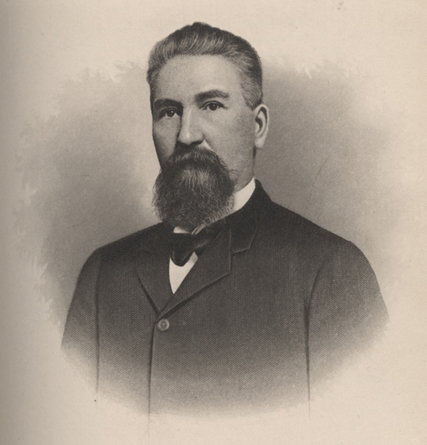
Richard Joshua (R.J.) Reynolds was born on July 20, 1850, in Patrick County, Virginia. The second of sixteen children, Reynolds was raised in a farming family where he learned the values of hard work and perseverance. After briefly attending Emory & Henry College, he ventured into the business world, taking an early interest in the burgeoning tobacco industry. By the age of 24, Reynolds had honed his skills and knowledge, deciding to strike out on his own to create a significant impact on the industry.
In 1875, R.J. Reynolds moved to Winston, North Carolina, a small town that would later merge with Salem to become Winston-Salem. Here, he founded the R.J. Reynolds Tobacco Company with an initial investment of $7,500, partly his own savings and partly borrowed capital. Reynolds chose Winston due to its proximity to the major tobacco markets and railroads, which facilitated the transportation of goods. He purchased a small factory and began producing chewing tobacco, a popular product at the time. In its first year of operation, the company yielded about 150,000 pounds of Southern flat plug chewing tobacco.
Reynolds was an innovative entrepreneur who quickly differentiated his company from competitors. He invested in the latest machinery to increase production efficiency and quality, a move that soon paid off. By the 1880s, the R.J. Reynolds Tobacco Company was one of the largest tobacco manufacturers in the South, and annual production reached millions of pounds by the 1890s. Reynolds’ relentless pursuit of excellence and innovation didn’t stop there. Recognizing the changing preferences of consumers, he shifted his focus to the production of smoking tobacco, introducing the now-famous Camel cigarettes in 1913.
Camel cigarettes were a game-changer, featuring a unique blend of American and Turkish tobaccos that offered a smoother smoking experience. The brand’s introduction was backed by a nationwide advertising campaign, one of the first of its kind, which helped Camel become a household name almost overnight. This bold move solidified Reynolds’ reputation as a marketing genius and positioned his company as a leader in the tobacco industry.
Reynolds’ entrepreneurial spirit extended beyond his own business ventures. He was deeply invested in the growth and development of Winston-Salem. His success with the R.J. Reynolds Tobacco Company brought significant economic benefits to the area, creating thousands of jobs and attracting other businesses to the region. Reynolds was known for his progressive approach to labor relations, offering relatively high wages and good working conditions for his employees, which was uncommon at the time.
His philanthropy also played a crucial role in the development of Winston-Salem. Reynolds and his wife, Katharine Smith Reynolds, contributed to numerous civic projects, including the establishment of schools, hospitals, and public parks. Notably, they funded the construction of the Reynolda House, an estate that now serves as a museum of American art and a testament to their lasting legacy.
R.J. Reynolds passed away on July 29, 1918. The R.J. Reynolds Tobacco Company (now Reynolds American, Inc.) continued to grow, becoming a cornerstone of the American tobacco industry. Today, his legacy is reflected in the continued prosperity of the city and the ongoing success of the company he founded.